By Nqobile Dludla
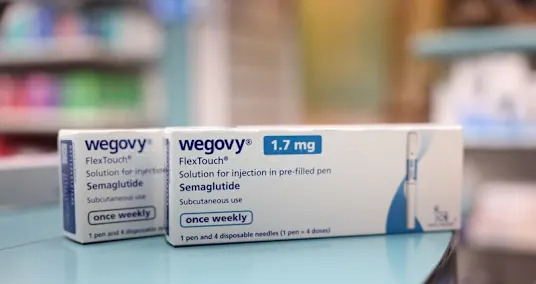
JOHANNESBURG, March 25 (Reuters) - Novo Nordisk is cutting South African prices of its weight-loss drug Wegovy for a second time since it launched in August, local executives said on Wednesday, pointing to fierce competition in a market led by rival Eli Lilly.
The Danish drugmaker launched Wegovy in South Africa in August, when reference pricing was uncertain due to talks with the U.S. administration on its proposed "most-favoured nation" policy linking U.S. drug prices to those in peer countries.
"We were of the view that the prices at the time were not conducive for the South African market," Thabeng Leping, who oversees market access and public affairs for Novo Nordisk South Africa, told Reuters on the sidelines of an event about obesity.
"Because we couldn't delay the launch, we just decided we'll fix it as we go along," he said. "So we reduced our prices in December. We've submitted another reduction of our prices yesterday."
The lowest injected dose of Wegovy has dropped from 3,090 rand ($183) to 1,873 rand, while the highest dose has fallen 27% to 3,746 rand. A further 12% cut to the 1.7 mg dose - the second highest - is awaiting approval, Leping said.
Eli Lilly's rival Mounjaro starts at about 3,600 rand. Its share of the South African market grew to 52% at the end of January, Aspen Pharmacare, the official seller of Mounjaro, said this month, predicting more than 1.3 billion rand ($77 million) in sales in the year through June.
Novo declined to give local sales figures, saying only that its products were doing "extremely well".
Speaking on a panel at the event, Novo South Africa General Manager Sara Norcross said the company intends to introduce its Wegovy pill locally "as soon as possible".
Both Novo and Lilly face competition from unauthorised copycat versions of their drugs, which Norcross said were used by one in two people on weight-loss treatments in South Africa despite adverse outcomes.
Novo has pursued legal action against a local compounder, while the health regulator is moving to classify such products as "undesirable."
($1 = 16.9093 rand)
(Reporting by Nqobile Dludla; editing by Philippa Fletcher)
LATEST POSTS
- 1
 What is ‘Auld Lang Syne’? Why we sing this song at midnight on New Year’s Eve.
 - 2Monetary Strengthening: Assuming Command over Your Cash
- 3Three arrested in Paris after attempted bomb attack outside Bank of America
- 4Dirty soda started as a Mormon alternative to booze. Now it's everywhere.
- 5Honda’s Biggest Flex Isn’t Its Superbikes, It’s Selling 500K Bikes In One Month





- Vote in favor of the pasta that makes good dieting pleasant!
- Golden Globes 2026 full nominations list: 'One Battle After Another' and 'The White Lotus' lead in film and television categories
- Kona SUV: Exploring the Future with Hyundai's Visionary Hybrid
- Airport wait times won't return to normal until Congress reaches a deal to pay TSA. Here's why they still can't come to an agreement.
- IDF begins destroying homes used by Hezbollah as forces move deeper into southern Lebanon
- Find the Excellence of Old style Expressive dance: Encountering the Effortlessness and Polish of Dance
- Record-breaking flu hospitalizations in New York in a single week: Health officials
- They died 'doing what they loved': The stories of workers in their 80s who died on the job
- A mom's viral post is raising the question: Do kids need snacks? Dietitians have answers.